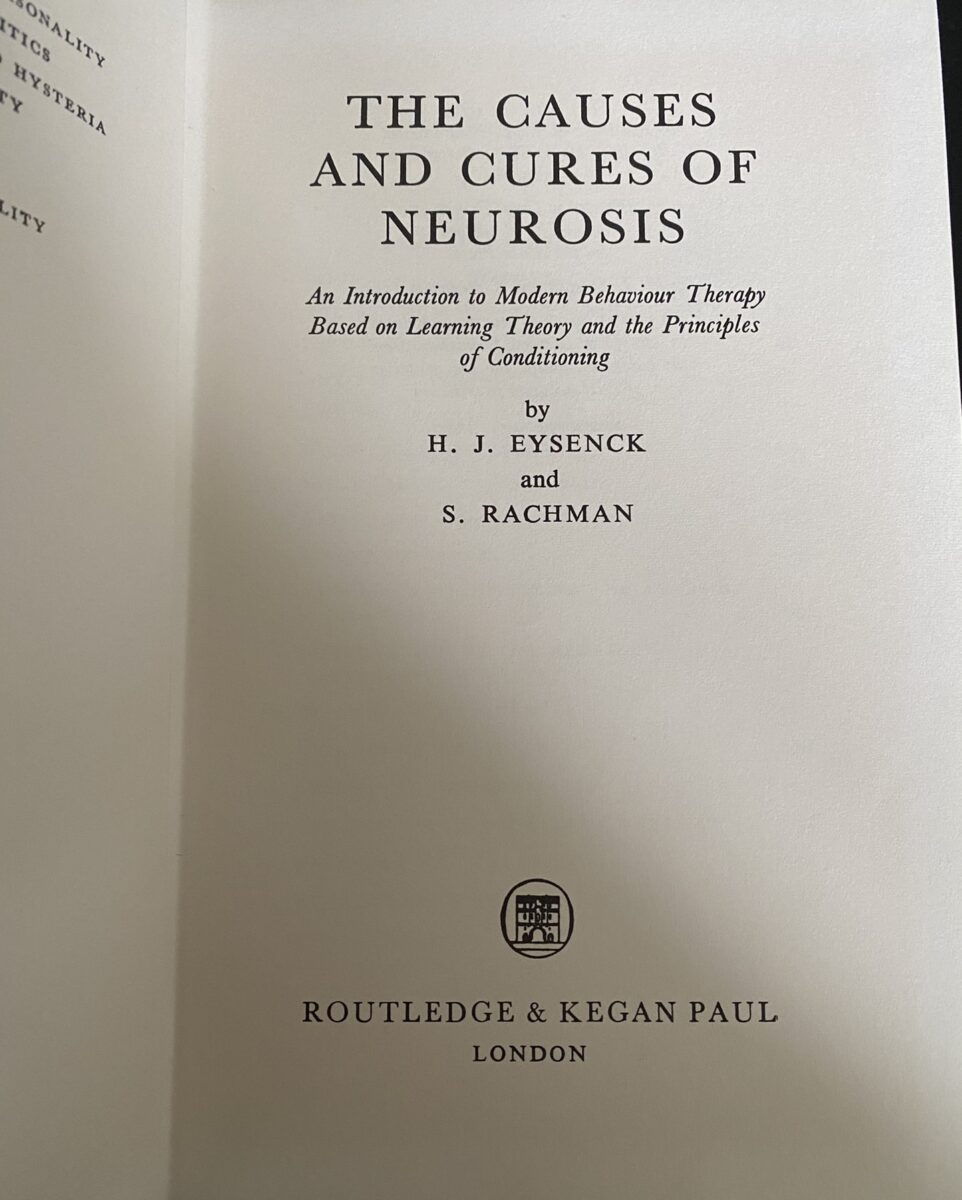



Eysenck, HJ. & Rachman, S. (1967) The Causes and Cures of Neurosis: An Introduction to Modern Behavior Therapy Based on Learning Theory and the Principles of Conditioning 2. impression
Rating: ♥♥♥♥ (Fine)
Fine book, hard cover. Shelf worn book with all pages and leaves present. No tears in paper or spine. Exlib.
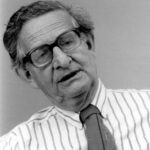
Hans J. Eysenck and Stanley Rachman focused on behavior therapy to understand and treat neurosis in their 1967 book, *The Causes and Cures of Neurosis*. They rejected traditional psychoanalytic views, arguing that neurosis arises from learned maladaptive behaviors, not unconscious conflicts.
They based their work on learning theory and conditioning principles, believing that people develop neuroses like phobias, anxiety, and obsessive-compulsive behaviors by learning inappropriate responses to stimuli. Eysenck and Rachman explained that therapists could reverse these behaviors through systematic behavior therapy.
Eysenck and Rachman described techniques like systematic desensitization, where therapists gradually expose patients to anxiety-inducing stimuli while teaching relaxation techniques to manage the anxiety. They also discussed aversion therapy, which pairs negative stimuli with undesirable behaviors to reduce their frequency.
By combining theory with practical methods, Eysenck and Rachman provided a comprehensive guide to understanding and curing neurosis. They emphasized the importance of empirical research in psychology and helped shift the field towards more scientifically grounded therapeutic practices. Their work significantly contributed to the rise of behavior therapy and influenced the development of cognitive-behavioral approaches.