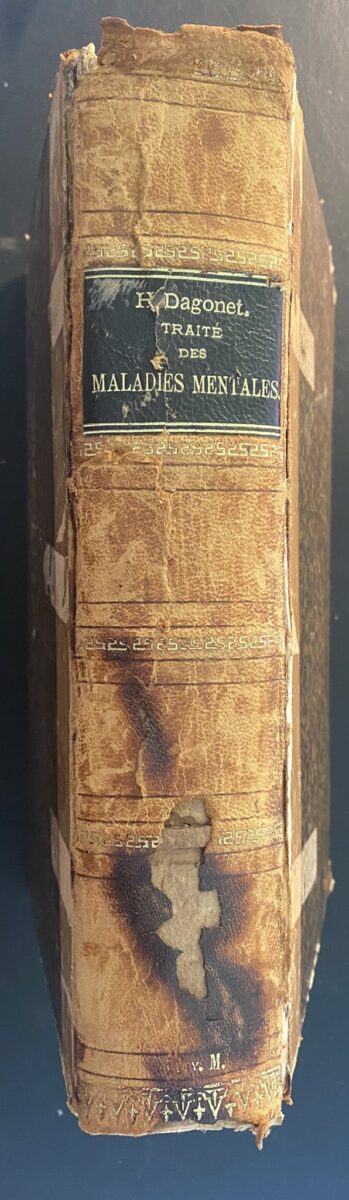


Dagonet, H. (1894) Traité des maladies mentales
Rating: ♥ (Good)
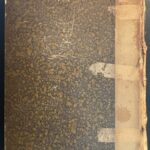
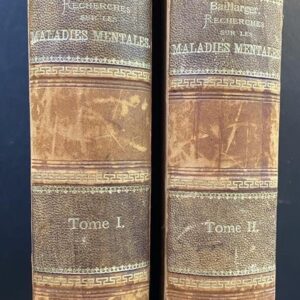
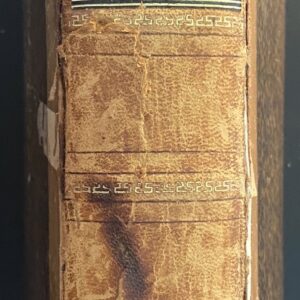
The book is very shelve worn, spine has been reglued at some point. Marks from tape can be found on the cover and cover corners are bend. Burning marks on Spine, Pages are darkened, binding is lose but the book still holds its pages. pages and leaves present, no tears in paper. Exlib.
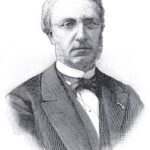
Henri Dagonet, a leading French psychiatrist of the late 19th century, published Traité Élémentaire de Pathologie Mentale in 1894. This influential treatise became a key reference for physicians, medical students, and asylum staff, offering a systematic overview of mental illnesses, their symptoms, and the therapeutic approaches considered modern at the time.
The late 1800s marked a period of rapid development in psychiatry. Asylums expanded, and medical professionals increasingly sought biological explanations for mental disorders. Working within this evolving landscape, Dagonet compiled contemporary knowledge into a structured and accessible textbook that helped shape psychiatric education.
Dagonet classified mental illnesses such as mania, melancholia, paranoia, and hysteria, describing characteristic symptoms and behavioral patterns. His work contributed to the early formation of diagnostic categories and provided a framework for clinical observation.
A significant part of the treatise focuses on the role of asylums. Dagonet emphasized the importance of calm, orderly environments and advocated for humane treatment grounded in respect and moral care. He discussed therapeutic methods including rest cures, isolation, hydrotherapy, and early electrotherapy—approaches that reflect both the scientific ambitions and limitations of the era.
Like many of his contemporaries, Dagonet believed in hereditary predispositions to mental illness and engaged with degeneration theory, linking factors such as alcoholism and poverty to the decline of families across generations.
Today, Traité Élémentaire de Pathologie Mentale stands as an important historical document. While some ideas are outdated, the book offers a fascinating window into the development of modern psychiatry and the intellectual climate of fin‑de‑siècle France.
Collector’s Note
A desirable and increasingly scarce edition of one of the foundational works of French psychiatry. Copies in this condition are uncommon, especially with all pages intact and minimal wear. Highly suitable for collectors of medical history, psychiatric literature, or fin‑de‑siècle scientific publications.
Keywords
- antique psychiatry book
- 19th‑century mental health
- French psychiatric textbook
- Henri Dagonet
- history of psychiatry
- asylum medicine
- fin‑de‑siècle medical literature